Jake Bronstein
Overview
California is the state where people use AI as a “therapist” and companion the most, due to high mental health needs and high therapy costs.
Only 11.74% of Texans use mental health services, the lowest rate in the U.S.
Therapy cost is the highest in New Jersey, with prices ranging from $96 to $142.
The Trump administration has paused enforcement of mental health parity regulations, leaving millions uncertain about their right to equal insurance coverage for mental health and addiction care. In response to rising costs and limited access, a new study by Ubie Health reveals which U.S. states are turning most to AI companions for emotional support. The research compared the states across key indicators, including mental illness rates, mental health service utilization, number of psychologists per capita, therapy session costs, and search volumes for AI companionship and related terms. Composite scores were calculated based on the key data to highlight the states where people turn to AI for therapy the most.
Findings
Full research here.
Summary of the findings:
State | Adults with Mental Illness (%) | Mental Health Service Use (%) | Psychologists per 100K | Therapist Visit Cost | Monthly Searches for "AI Companion" per 100K | Monthly Searches for "ChatGPT" per 100K | Total Score |
California | 22.19% | 11.99% | 42.70% | $90 - $135 | 396 | 451,855 | 71.03 |
Texas | 21.94% | 11.74% | 15.50% | $78 - $116 | 442 | 378,923 | 69.37 |
New York | 21.11% | 14.55% | 68.90% | $90 - $134 | 466 | 493,780 | 69.23 |
Washington | 27.14% | 17.03% | 36.20% | $87 - $129 | 420 | 366,705 | 68.19 |
Utah | 29.19% | 19.46% | 26.80% | $81 - $121 | 416 | 378,277 | 67.97 |
New Jersey | 19.38% | 12.78% | 33.30% | $96 - $142 | 367 | 453,847 | 66.98 |
Louisiana | 24.34% | 14.69% | 13.20% | $82 - $121 | 514 | 235,708 | 66.96 |
Maryland | 22.37% | 13.24% | 30.10% | $87 - $129 | 405 | 379,132 | 66.51 |
Nevada | 24.65% | 14.16% | 12.20% | $79 - $117 | 419 | 327,091 | 66.47 |
Florida | 20.45% | 12.39% | 19.90% | $80 - $119 | 423 | 343,827 | 62.95 |
Findings
California ranks first with a composite score of 71.03, leading in AI companion interest. While California has a relatively high number of licensed psychologists, the cost barrier appears to drive many residents toward digital alternatives, ranging between $90 and $135 per 1 appointment. In addition, only 11.99% of Californians use mental health services, one of the lowest rates in the United States.
Texas follows in the 2nd place with a score of 69.37. Texans have less than half the number of psychologists as California, which makes them look for alternative means of therapy even more. Though therapy in Texas is more affordable, the share of those who access therapy is lower at 11.74%.
New York places third with a score of 69.23. AI keyword searches are the highest here, reaching 493K. The share of people getting mental health care is 14.55%, showing broader use of both digital and traditional resources. New Yorkers have the highest number of psychologists, but the costs of therapy sessions are also quite high, ranging from $90 to $134.
Washington earns fourth place with a score of 68.1. The state has the highest share of adults experiencing mental illness among the top five at 27.14%. AI searches nearly match those of California and Texas. Still, roughly 17.03% of its residents go to therapy, one of the highest percentages in the top ten.
Utah scores 67.97, taking fifth with the highest mental illness rate in the top ten. 29.19% of Utah adults report mental health issues, yet only 19.46% receive care, leaving a large gap. AI search numbers are high, suggesting technology helps bridge that divide. Compared to Washington, Utah has fewer psychologists and slightly lower therapy costs, which may make AI options more attractive.
New Jersey ranks sixth with a composite score of 66.98. Therapy costs here are the highest, reaching $142, which may explain the parallel interest in AI companionship. Though mental illness is less prevalent here, the state shows 367 monthly searches for AI companions, along with a relatively high supply of therapists.
Louisiana claims the seventh spot with a score of 66.96, but registers the highest AI companion search rate. Louisiana has just 13.2 licensed psychologists for every 100K people, lower than New Jersey, and only 14.69% of adults with mental illness receive treatment.
Maryland takes eighth with a score of 66.51, showing a consistent turn toward AI support tools. The state records 405 searches for terms like "AI companion, AI friend, talk to AI", similar to Texas and Washington. About 13.24% of adults with mental illness get therapy, placing Maryland between California and New York for treatment rates.
Nevada earns the ninth spot with a 66.47 score, standing out for limited therapist access. The state has the lowest number of psychologists among the top ten, just 12.2, and manages 419 monthly AI-related searches, rivaling states with more infrastructure. Mental health service use is 14.16%, showing some engagement, but the scarcity of providers likely pushes many toward digital support.
Florida rounds out the top ten with a score of 62.95. Residents here conduct 423 searches for terms like “AI companion,” etc., on par with Washington and higher than Maryland, despite facing similar therapy costs. Only 12.39% of Floridians use therapy, suggesting significant room for growth in traditional care.
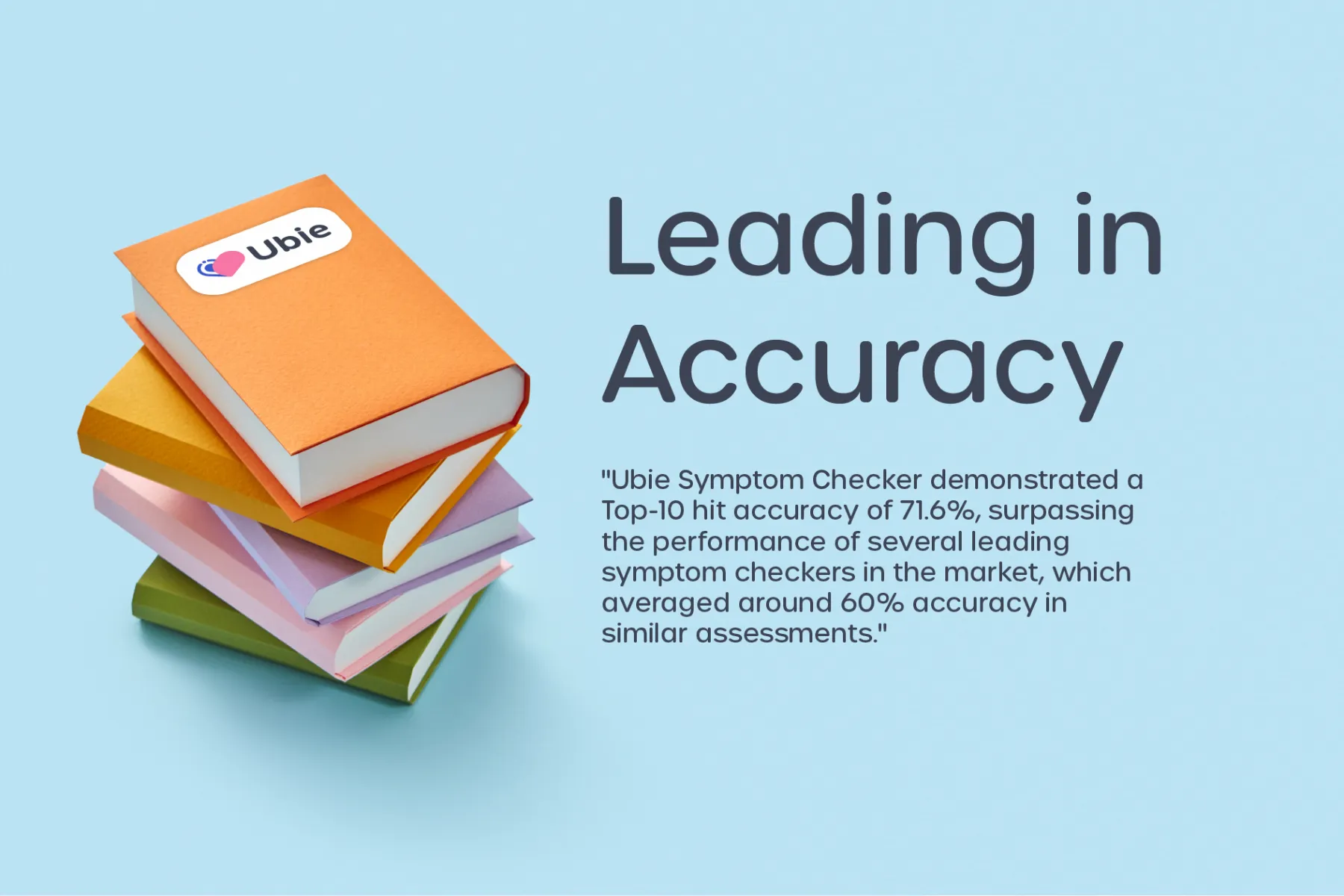
71.6% Top-10 Hit Accuracy: With a Top-10 hit accuracy of 71.6%, the Ubie Symptom Checker effectively provided relevant disease information to patients. This means that in addition to the top five suggestions, patients have a strong chance of finding pertinent information within the top ten results. This level of accuracy is crucial for patients who may be experiencing complex or overlapping symptoms, allowing them to consider a range of potential conditions and seek appropriate medical advice based on informed insights.
Kota Kubo, CEO and co-founder at Ubie Health, commented on the study: "People are increasingly using AI companions to fill emotional support gaps, especially where therapy is expensive or harder to access. As AI tools become easier to use and more affordable, they’re likely to become a regular part of how people manage their emotional health across the country."
Author

Jake Bronstein
Ubie Global Marketing

Customer-obsessed brand marketing, social, and content leader—equally parts thinker and doer (strategy and execution)—with a track record of accelerating business growth through insight-led omnichannel storytelling, marketing innovation, and leadership.