Sanjeev Menon
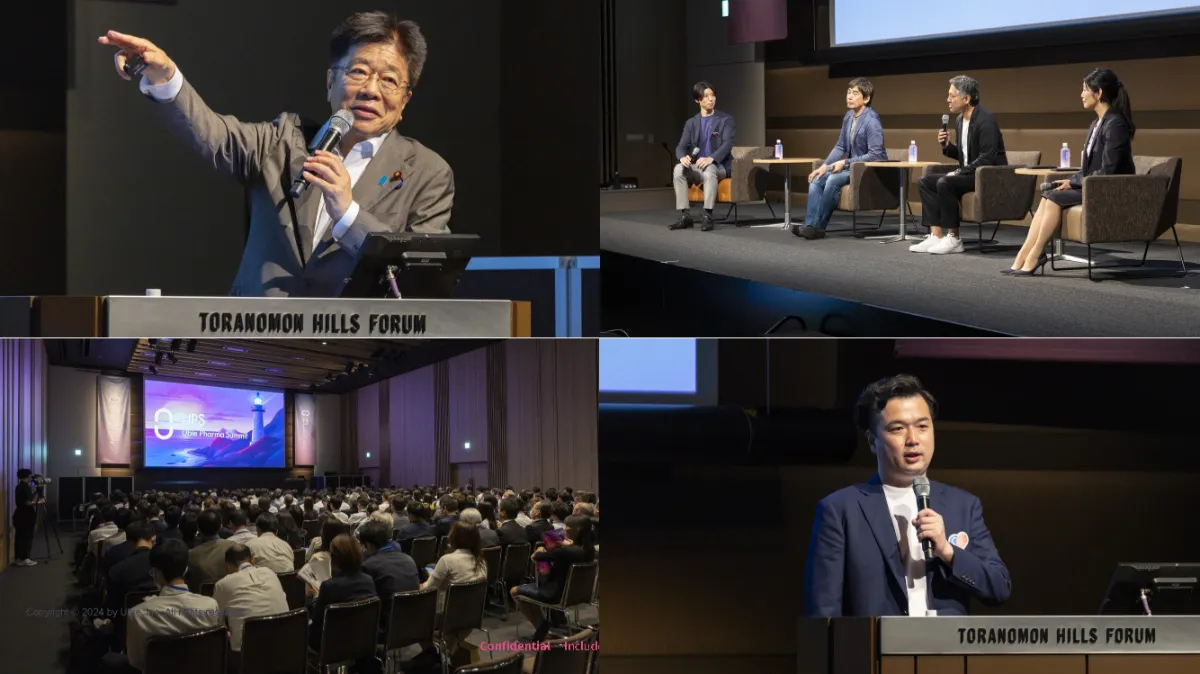
The Ubie Pharma Summit 2024, held in Tokyo on May 29-30, provided a vital platform for over 1,000 pharmaceutical professionals to explore and advance the critical role of patient-centricity in shaping the future of healthcare.
Building upon the success of previous summits, the third edition of this event was themed “Patient-Centric Strategy”. A core focus was facilitating discussions around practical approaches and actionable strategies that balance patient value and company growth.
Attendees heard from an esteemed panel of industry leaders, including:
Katsunobu Katō, former Japan Minister of Health
Takahiko Iwaya, President, Sanofi KK
Kenji Yasukawa, Chairman, Astellas Pharma
Masashi Miyamoto, CEO, Kyowa Kirin
Takatsugu Den, President, Biogen Japan
Rami Suzuki, CEO, ARC Therapies
See full list of speakers and panel discussions here.
Key Themes & Discussions
1. Patient-Centricity as a Growth Strategy
Integration into Business Models: The summit emphasized that patient-centricity should be integrated into business strategies. Companies were encouraged to leverage technology and patient insights to develop and market their products effectively.
Collaboration for Better Healthcare: A key takeaway was the importance of collaboration among pharmaceutical companies and other healthcare stakeholders to achieve true patient-centricity. Improving the healthcare environment was seen as crucial for delivering the right treatment to the right patient at the right time.
2. Technological and Regulatory Innovations:
Technology Innovation: The use of technology to improve the productivity and efficiency of medical services was a major focus, in line with Japan’s technology-enabled Medical DX 2030 Vision. Initiatives like the creation of a national medical information platform and the standardization of electronic medical records were highlighted.
Regulatory Reforms: Discussions included the need for regulatory reforms to facilitate the introduction of innovative drugs and improve patient outcomes. The summit stressed the importance of aligning regulatory frameworks with scientific advancements and patient needs.
3. Structural Challenges and Innovation:
Workforce and Financial Constraints: Japan's healthcare system faces significant challenges, including a shrinking workforce and financial limitations. Strategies to extend healthy life expectancy and enhance productivity in medical and long-term care services were discussed.
Drug Discovery and Market Presence: Despite Japan's strong drug discovery capabilities, its global market share has been declining. The summit addressed the need for policies to strengthen drug discovery and improve the efficiency of medical and nursing care through technology.

Highlights in Patient-Centric Strategies
The emphasis on patient-centricity permeated every discussion at the summit. Key highlights included:
Patient Involvement in Drug Development: Incorporating patient feedback in the early stages of drug development was highlighted as a best practice. This approach ensures that new treatments are designed with the patient experience in mind, leading to higher adoption rates and better health outcomes.
Personalized Healthcare Solutions: There was a strong focus on the importance of personalized medicine. Tailoring treatments to individual patient profiles, including genetic, environmental, and lifestyle factors, was identified as a critical strategy for improving efficacy and patient satisfaction.
Patient Education and Empowerment: Empowering patients with information and resources to manage their health was seen as fundamental. Initiatives that enhance patient education and engagement were discussed as effective ways to improve adherence to treatment plans and overall health outcomes.
A Collective Commitment to Patient-Centric Progress
The Ubie Pharma Summit 2024 served as a powerful catalyst for action, fostering an environment of shared learning, collaboration, and a renewed dedication to placing patients at the heart of healthcare. As we look ahead, the insights generated at the summit will undoubtedly shape the industry's trajectory, leading to tangible improvements in patient care and outcomes in the years to come.

Author

Sanjeev Menon
Head of Partnerships

Sanjeev is a passionate growth architect with 10+ years of experience. He leverages digital expertise to bridge the gap between cutting-edge technologies and evolving market needs. His work has been instrumental in fueling startup growth and fostering partnerships with industry leaders like Samsung, Amazon, and Google. A passionate advocate for customer-centricity, he champions value creation across the healthcare ecosystem – for patients, providers, advocates and life science partners alike.